Call and Book Your Hotel Now!
Domestic Toll-Free for US and Canada: 1-800-997-1438
Worldwide: +1-817-983-0682
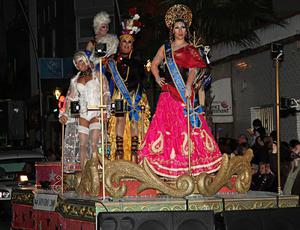
Alicante hosts various seasonal events and religious festivals that draw numerous visitors to this richly cultural, historical, captivating, and lively city.
Renowned for its vibrant parades and festive celebrations, the city comes alive with dance, parties and music flowing throughout the streets until the early morning.
The locals are deeply committed to upholding their cherished traditions and relish the joyous festivities, enthusiastically inviting visitors to partake in the celebrations alongside them.
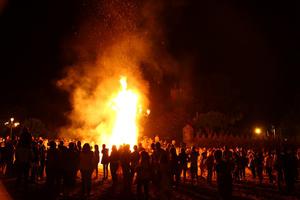
Also known as Fogueres de Sant Joan in Catalan, this festival holds significant importance in Alicante. This traditional and popular festival is celebrated in Alicante city, from 19 to 24 June. It pays homage to Saint John while ushering in the summer season with bonfires and spectacular fireworks. In Alicante city, large wooden and paper maché figures are displayed in various squares, and these figures are burnt down on the night of San Juan i.e. on 24th June.
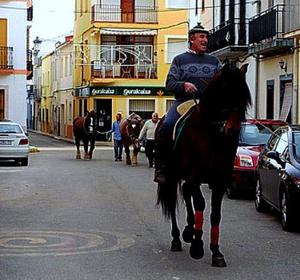
St. Anthony's Market or Porrat de San Anton festival is held annually on the 17th of January in the neighbourhood named after Alicante's patron saint, San Anton. A traditional market selling food, dried fruits, nuts and many more things is held during this festival. Locals are known for bringing their animals to the bullring for blessings, while an animal show entertains the visitors.
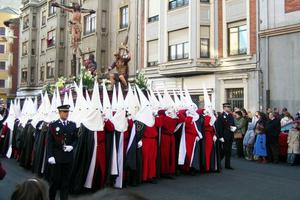
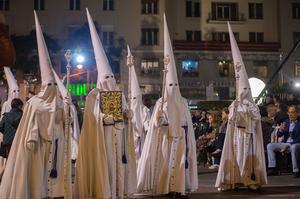
Holy Week (Easter) in Alicante is a celebration of the passion, crucifixion, and resurrection of Jesus Christ. It is marked by processions organized by various brotherhoods to the San Nicolás de Bari co-cathedral, spanning from Palm Sunday to Sunday of Resurrection. Over the course of these days, many processions grace the city's streets, earning it the prestigious designation as a Festival of Tourist Interest in the Valencian Community.
The Alicante Carnival stands out as one of the most enthusiastically embraced carnivals within the Valencian community, typically taking place in February or early March. The highlight of the festivities is Sábado Ramblero, a day when people hit the streets donning eccentric or traditional costumes. The Carnival culminates on Ash Wednesday with the solemn observance of Entierro de la Sardina (Burial of the Sardine), a tradition where wearing black attire and mourning the symbolic Sardine is customary.
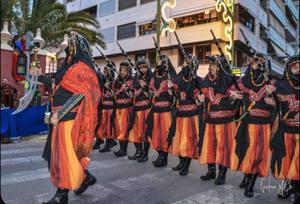
Moros y Cristianos is a series of festive events observed in numerous towns and cities across Spain, predominantly in the southern Valencian Community. Rooted in popular tradition, the festivals commemorate the historical battles, combats and conflicts between Moors (Muslims) and Christians during the era commonly referred to as the Reconquista, spanning from the 8th century to the 15th century.
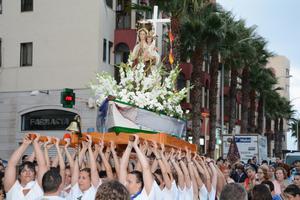
Given Alicante's maritime heritage, fishermen honour the patron saint of sailors during this festival. The highlight is on Tabarca Island, where devotees pay tribute to the Virgen del Carmen. Cities across Spain organize processions and colourful maritime pilgrimages during this time.
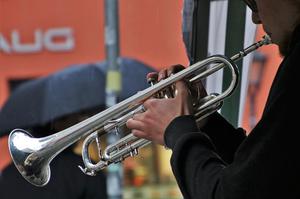
This International Jazz Festival attracts many great musicians to Alicante. Generally, FIJAZZ begins in mid-July where local as well international musicians gather together to offer their compositions.
Pilgrimage of Santa Faz (Holy Visage) is a highly popular pilgrimage (romería), held on the Thursday following Easter week. On a single day, thousands of pilgrims wielding canes and clad in typical orchard-worker attire journey to the Monastery of the Santa Faz to pay homage at the shrine. Along the pilgrimage route, participants take breaks sipping Alicante's renowned local wine.

As Christmas approaches in Alicante, streets sparkle with lights, and lively Christmas markets fill plazas. Families gather for a grand feast, enjoying hours of indulgence with turrón, a traditional sweet. Afterwards, the celebrations continue late into the night, and kids eagerly await Reyes Magos on January 6th for their main gifts.
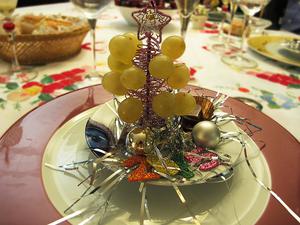
New Year's Eve begins with a lavish family dinner, followed by young folks hitting the town with friends. Join the lively crowd for the grand countdown. Ensure you have a clear view of the clock because as the clock strikes midnight, you must pop those 12 good-luck grapes into your mouth! Then, it's time for uncorked bottles, flowing champagne, and newfound friendships. You can head to Alicante's bars, discos, and pubs to welcome the new year.